
Managing Dog Shedding: A Quick Guide for Pet Owners
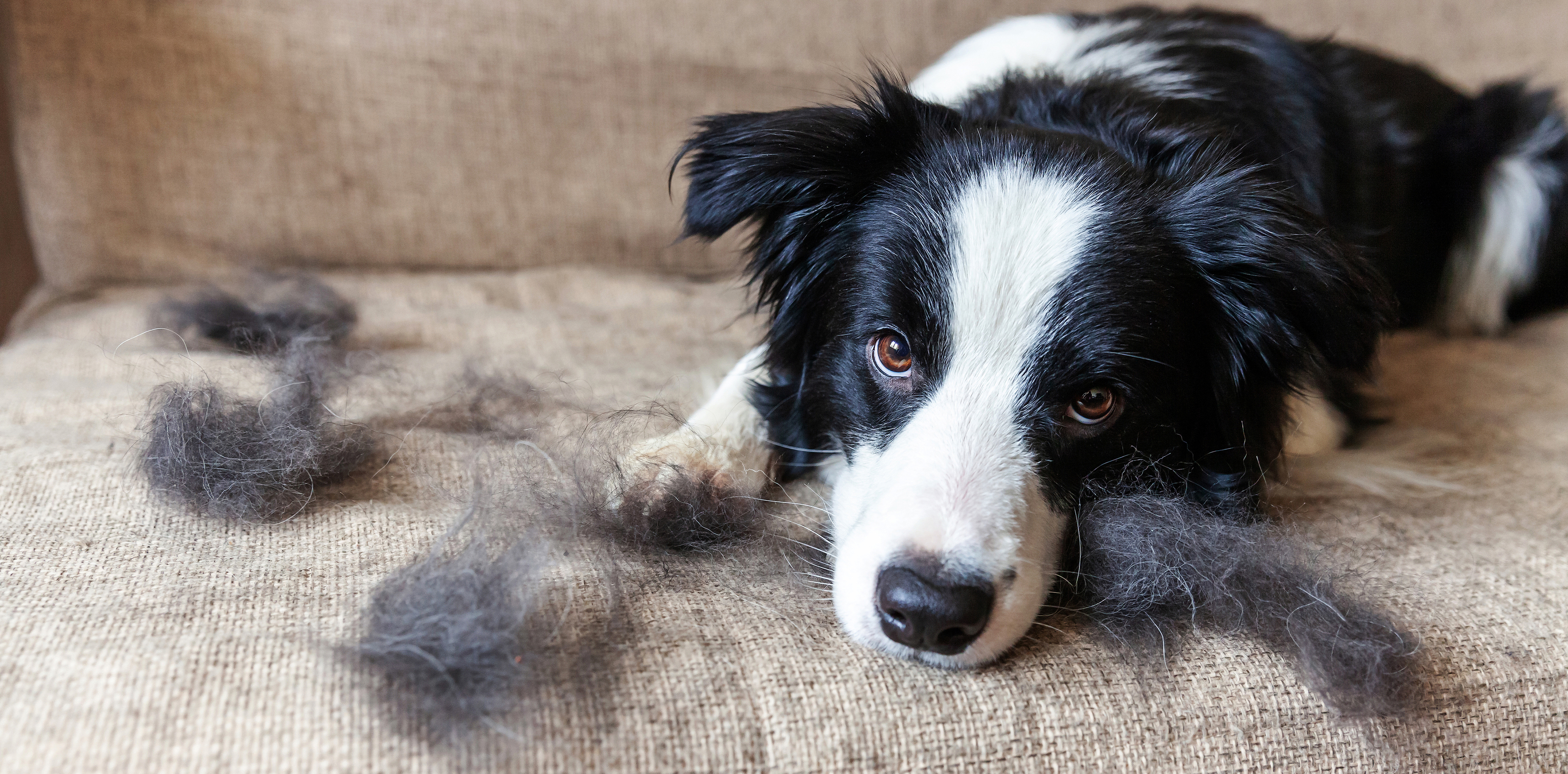
Causes of Dog Shedding:
Shedding is a natural metabolic process in dogs, helping them remove old or damaged hair. Breed, age, health, and seasonal changes can all affect the extent of shedding.
Tips for Managing Shedding:
Regular Grooming:
Groom your dog regularly, depending on their breed and coat length. Daily grooming prevents hairballs and reduces shedding.
Healthy Diet:
Providing a balanced diet containing essential nutrients, especially foods rich in omega-3 fatty acids, helps promote healthy coat growth.
Proper Hydration:
Maintaining adequate hydration helps maintain healthy skin and coat.
Regular Health Checkups:
Take your dog for regular veterinary checkups to identify and address potential health issues that may be affecting coat shedding.
Use Appropriate Grooming Products:
Choose expertly recommended grooming products to reduce skin irritation and excessive shedding.
Maintain a Clean Living Environment:
Vacuum furniture and floors regularly to minimize the impact of shedding.
Adapting to Seasonal Shedding:
Dogs typically experience seasonal shedding in the spring and fall, so grooming can be increased during these times.
Adding Nutritional Supplements:
Under your veterinarian's guidance, supplement your dog with omega-3 fatty acids and other nutritional supplements to promote healthy coats.
Conclusion:
By incorporating the above tips into your daily routine, you can effectively manage your dog's shedding and create a comfortable living environment for you and your furry companion.
Shedding is a natural metabolic process in dogs, helping them remove old or damaged hair. Breed, age, health, and seasonal changes can all affect the extent of shedding.
Tips for Managing Shedding:
Regular Grooming:
Groom your dog regularly, depending on their breed and coat length. Daily grooming prevents hairballs and reduces shedding.
Healthy Diet:
Providing a balanced diet containing essential nutrients, especially foods rich in omega-3 fatty acids, helps promote healthy coat growth.
Proper Hydration:
Maintaining adequate hydration helps maintain healthy skin and coat.
Regular Health Checkups:
Take your dog for regular veterinary checkups to identify and address potential health issues that may be affecting coat shedding.
Use Appropriate Grooming Products:
Choose expertly recommended grooming products to reduce skin irritation and excessive shedding.
Maintain a Clean Living Environment:
Vacuum furniture and floors regularly to minimize the impact of shedding.
Adapting to Seasonal Shedding:
Dogs typically experience seasonal shedding in the spring and fall, so grooming can be increased during these times.
Adding Nutritional Supplements:
Under your veterinarian's guidance, supplement your dog with omega-3 fatty acids and other nutritional supplements to promote healthy coats.
Conclusion:
By incorporating the above tips into your daily routine, you can effectively manage your dog's shedding and create a comfortable living environment for you and your furry companion.