
Common Clipper Problems
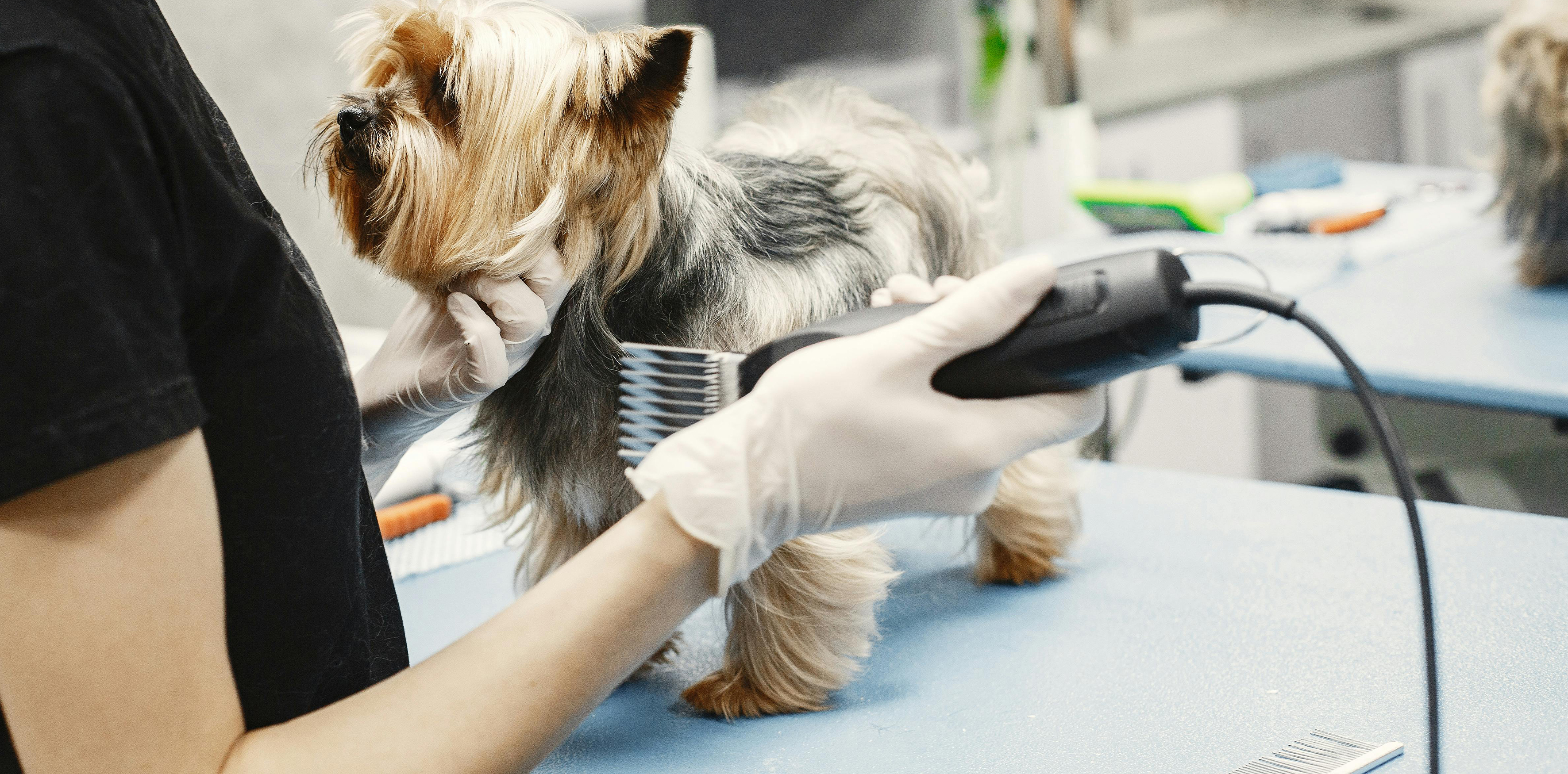
Common Problems with Clippers
There are a number of simple factors that can lead to issues with your machine, we have listed the most common ones below. If the solutions we have mentioned do not rectify the problem, there may be an issue with the internal workings of your machine and in this case, we would recommend sending your clipper into us for a service.
Overheating
1. Have you cleaned your vent?
Many clippers including the Lister Star (shown below) have a vent. This needs to be cleaned regularly to ensure the clipper is able to cool down efficiently. We recommend removing the vent and brushing out the hair - you may find that it needs a wash in warm soapy water (just make sure it's dry before putting it back on your machine). Once cleaned, you should be able to clearly see daylight through it.
2. Is your clipper well oiled?
Your clipper should be oiled every 10 minutes during use as lack of lubrication can cause the blades to overheat. This is also a good opportunity to remove excess hair from your blades using a clipper brush. The oil should be run up and down the length of the blade and into any oil holes which are usually positioned on the top of the clipper head.
It is important that you use the correct type of oil as alternatives like engine oil, cooking oil and WD40 will damage the internal workings of your machine. We recommend using specially formulated clipper oil as it has a bactericide to prevent your blades from harbouring harmful bacteria that may cause skin irritation.
3. Is it tensioned correctly?
If your clipper is tensioned incorrectly, it can exert excess pressure on the blades which will generate heat. It may be necessary to purchase a new tension set if you haven't done so for a while to ensure you are achieving the correct tension. The tension spring will distort over time, although look no different and this will cause problems with incorrect tension.
Blades Not Cutting Properly
1. Blunt Blades
It is a common assumption that if your blades have clipped 4 horses the last time they were sharpened, they will clip 4 horses this time you got them back from sharpening. However, this is not always the case as many variables including thickness of the hair and grease in the coat will cause your blades to blunt sooner than expected.
To help you get the most out of your blades, we recommend bathing your horse/pony the day before to reduce the amount of grease in the coat and use a coat conditioning spray like coat sheen to help the blades glide through the coat. Just make sure the coat is dry before you begin clipping.
2. Incorrect Tension
Incorrect tensioning of the blades will cause snagging at the hair as well as excess heat. If you have tensioned the blades to the manufacturer's instruction and are still getting the problem, it's likely you need a new tension set.
Clippers Have Stopped Working
1. Overload Switch
All mains clippers have an overload switch which is usually situated towards to back of the machine. If your machine has stopped working, it's always best to check this hasn't popped out first. If it has, use a match stick (or similar) to push the switch back in and see if this rectifies the problem. You will need to ensure that your blades are suitably oiled and tensioned correctly.
There are a number of simple factors that can lead to issues with your machine, we have listed the most common ones below. If the solutions we have mentioned do not rectify the problem, there may be an issue with the internal workings of your machine and in this case, we would recommend sending your clipper into us for a service.
Overheating
1. Have you cleaned your vent?
Many clippers including the Lister Star (shown below) have a vent. This needs to be cleaned regularly to ensure the clipper is able to cool down efficiently. We recommend removing the vent and brushing out the hair - you may find that it needs a wash in warm soapy water (just make sure it's dry before putting it back on your machine). Once cleaned, you should be able to clearly see daylight through it.
2. Is your clipper well oiled?
Your clipper should be oiled every 10 minutes during use as lack of lubrication can cause the blades to overheat. This is also a good opportunity to remove excess hair from your blades using a clipper brush. The oil should be run up and down the length of the blade and into any oil holes which are usually positioned on the top of the clipper head.
It is important that you use the correct type of oil as alternatives like engine oil, cooking oil and WD40 will damage the internal workings of your machine. We recommend using specially formulated clipper oil as it has a bactericide to prevent your blades from harbouring harmful bacteria that may cause skin irritation.
3. Is it tensioned correctly?
If your clipper is tensioned incorrectly, it can exert excess pressure on the blades which will generate heat. It may be necessary to purchase a new tension set if you haven't done so for a while to ensure you are achieving the correct tension. The tension spring will distort over time, although look no different and this will cause problems with incorrect tension.
Blades Not Cutting Properly
1. Blunt Blades
It is a common assumption that if your blades have clipped 4 horses the last time they were sharpened, they will clip 4 horses this time you got them back from sharpening. However, this is not always the case as many variables including thickness of the hair and grease in the coat will cause your blades to blunt sooner than expected.
To help you get the most out of your blades, we recommend bathing your horse/pony the day before to reduce the amount of grease in the coat and use a coat conditioning spray like coat sheen to help the blades glide through the coat. Just make sure the coat is dry before you begin clipping.
2. Incorrect Tension
Incorrect tensioning of the blades will cause snagging at the hair as well as excess heat. If you have tensioned the blades to the manufacturer's instruction and are still getting the problem, it's likely you need a new tension set.
Clippers Have Stopped Working
1. Overload Switch
All mains clippers have an overload switch which is usually situated towards to back of the machine. If your machine has stopped working, it's always best to check this hasn't popped out first. If it has, use a match stick (or similar) to push the switch back in and see if this rectifies the problem. You will need to ensure that your blades are suitably oiled and tensioned correctly.